- calendar_today June 1, 2026
Ontario — In June, communities across Ontario mark National Indigenous History Month, a time dedicated to recognizing the profound heritage, diverse traditions, and lasting contributions of First Nations, Inuit, and Métis peoples throughout the province and beyond.
Honoring Generations Through Indigenous History
National Indigenous History Month highlights the enduring presence and impact of Indigenous peoples in Ontario. The observance underscores the importance of acknowledging indigenous history that began long before the modern borders of the province were established. Residents, institutions, and schools are encouraged to use this month to deepen their understanding of the historic and ongoing influences of First Nations, Inuit, and Métis communities.
Significance of the Summer Solstice and National Indigenous Peoples Day
The month’s celebrations are anchored by the Summer Solstice and National Indigenous Peoples Day on June 21. The solstice, recognized as a time of renewal and reflection in many indigenous cultures, aligns with the annual event dedicated to honoring the diverse cultures, achievements, and legacies of Indigenous peoples. Festivities often feature traditional music, dance, art, and ceremonies that are open to all Ontarians, fostering education and connection across communities.
Highlighting the Importance of Indigenous Traditions
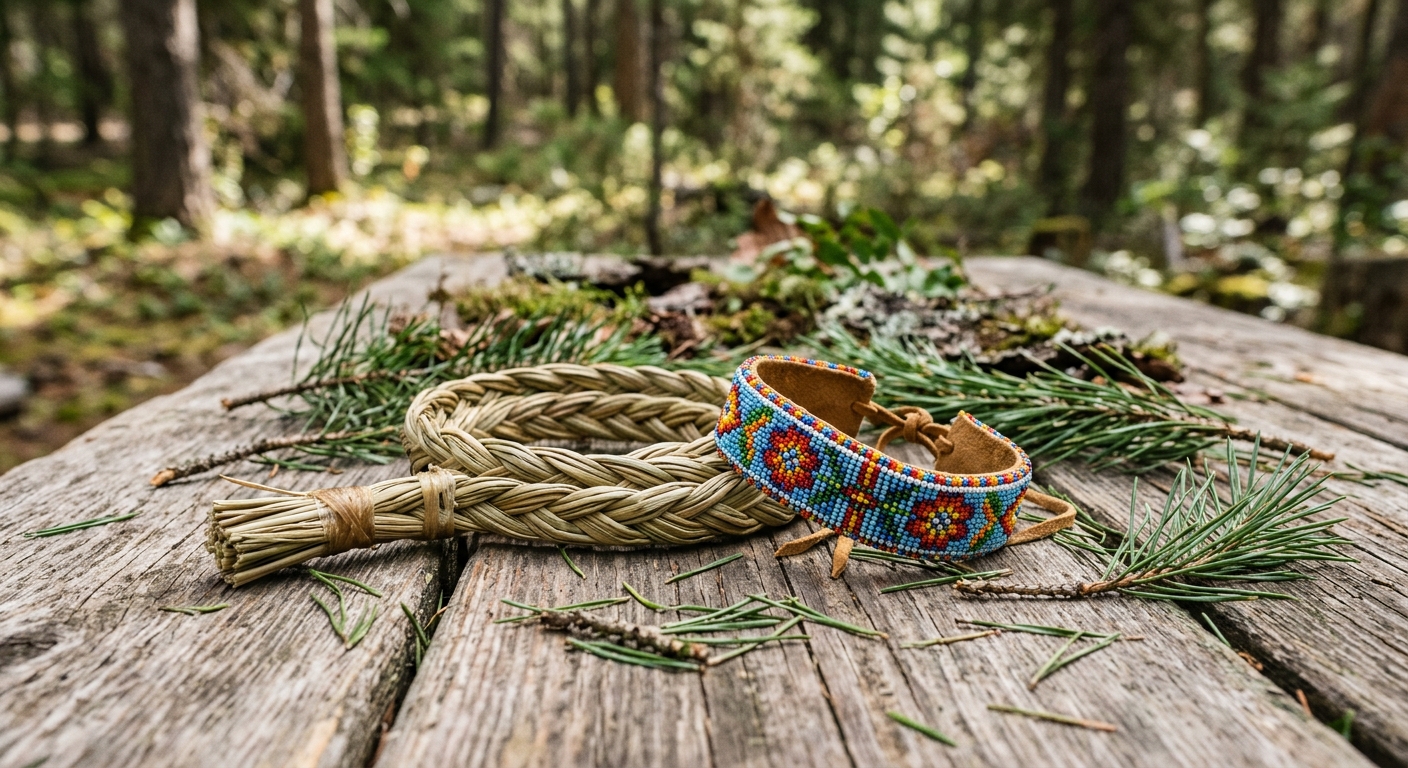
Throughout June, a spotlight is placed on indigenous traditions, from storytelling and language preservation to artistic expression and knowledge sharing. This focus allows residents of Ontario to appreciate the depth and diversity of these customs, which have been maintained and passed down through generations by First Nations, Inuit, and Métis peoples. Local museums, cultural centres, and school boards often collaborate to host events, exhibitions, and workshops in recognition of these longstanding practices.
Ontario Government’s Commitment to Reconciliation
Greg Rickford, Minister of Indigenous Affairs and First Nations Economic Reconciliation, reaffirmed the Ontario government‘s dedication to advancing reconciliation in the region. “Recognizing the experiences, knowledge, and leadership of Indigenous peoples is vital for building meaningful partnerships that benefit everyone in Ontario,” Rickford stated. The province’s ongoing work aims to foster mutual respect and strong indigenous communities through collaborative initiatives and support for cultural, educational, and economic opportunities.
Recognizing Shared Prosperity and Future Priorities
The month is also a call to action for all Ontarians to learn more about the stories, achievements, and challenges faced by indigenous peoples. It serves as an opportunity to build bridges, confront misunderstandings, and commit to shared prosperity. From supporting Indigenous-led businesses to advocating for inclusive curriculum development, stakeholders across Ontario are encouraged to contribute to a more informed and equitable society.
Community Engagement and Regional Events
Numerous public institutions and organizations across Ontario are hosting ceremonies, educational programming, and community events that highlight the significance of national indigenous history month. These gatherings not only celebrate cultural achievements but also amplify voices calling for justice, recognition, and restoration of rights for First Nations and all Indigenous peoples in Ontario. Residents are invited to participate in these opportunities, reinforcing the region’s collective commitment to understanding and honoring Indigenous heritage now and into the future.