- calendar_today August 21, 2025
.
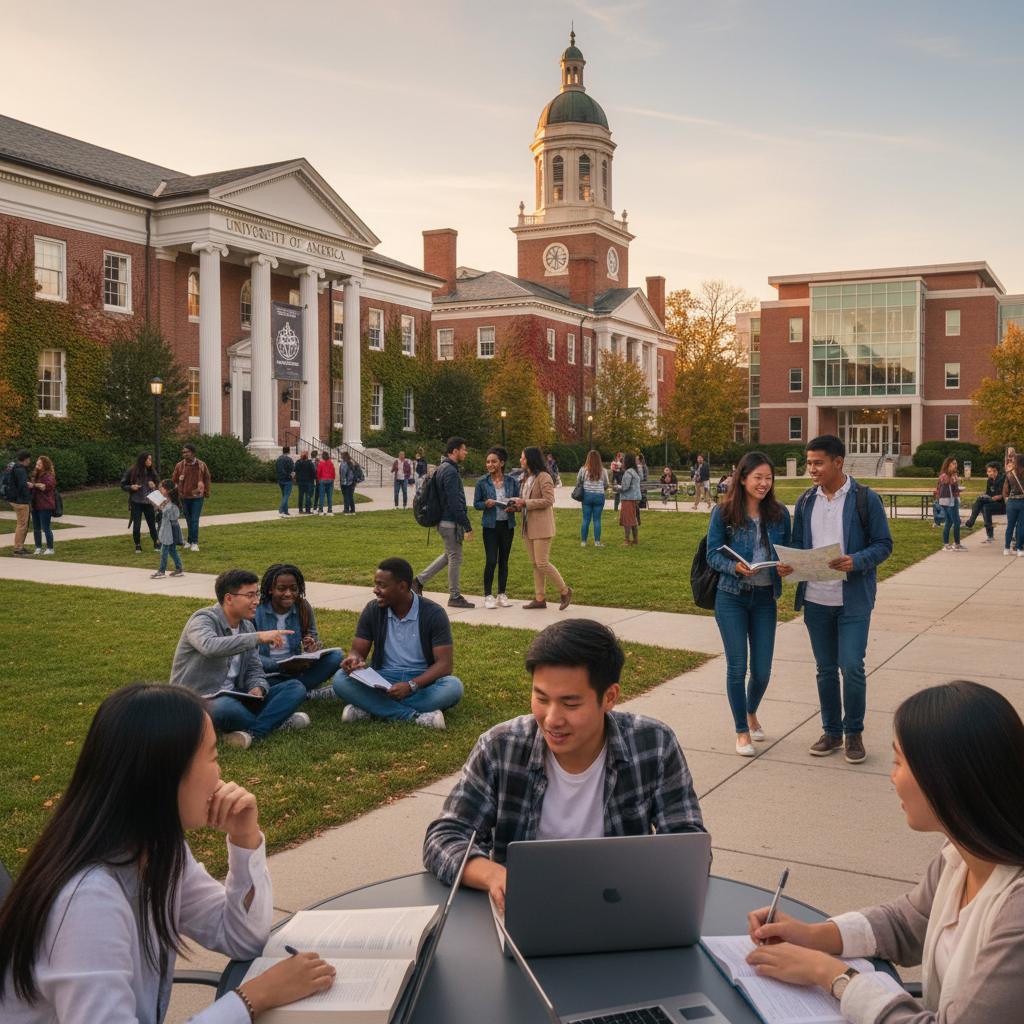
Donald Trump said Monday that the United States would accept 600,000 students from China to enroll in U.S. colleges, potentially easing tensions with Beijing amid a months-long standoff between the two countries. When asked if he would be open to meeting with Chinese President Xi Jinping in the coming months, Trump said, “I would like to meet him this year. We’ll see what happens. I would like to, yes. As you know, we’re taking a lot of money in from China because of the tariffs and the different things. It’s a very important relationship,” he said.
“It’s a much better relationship economically than it was before with Biden. But he allowed that. They just took him to the cleaners,” Trump added.
“The great folks from China want to send their students to the United States, and we’re going to be allowing that to happen,” Trump said, flanked by other administration officials in the White House press briefing room. “I hear so many stories that we’re not going to allow their students. We’re going to allow their students to come in. It’s very important, 600,000 students. It’s very important. But we’re going to get along with China.”
The statement marked a new overture to China by Trump, whose administration has continued to slap tariffs on Beijing and warn of additional restrictions.
Last week, the president again threatened to raise tariffs on a key Chinese export, threatening to double the 25 percent tariff on magnets made in the country. The tariff threat on magnets marked a new front in the administration’s trade war with Beijing, which Trump has now targeted for a near-complete monopoly on the global supply of the small devices.
“We’ve taken massive action from the standpoint of tariffs, but now we’re going after magnets, which is a big one,” Trump said Monday. “China, intelligently, went and they sort of took a monopoly on the world’s magnets. It’ll probably take us a year to have them.”
China and the United States have been embroiled in a wide-ranging trade war, with Beijing and Washington exchanging a series of tariffs on each other’s exports. Washington earlier this year put a 145 percent levy on Chinese goods, spurring Beijing to place a 125 percent tariff on U.S. exports to China.
Negotiators in Geneva, Switzerland, had paused additional tariffs in a May agreement, but Trump has warned in recent weeks of possible additional restrictions and new levies. The U.S. is currently home to about 270,000 Chinese students, and the new cap would more than double the number.
Trump’s announcement marked a reversal of his administration’s earlier threat to place new restrictions on Chinese students at American colleges and universities.
Last month, Secretary of State Marco Rubio said the administration would begin to “aggressively revoke visas” of Chinese nationals who were connected to the Chinese Communist Party or working in “science and research.” The proposed new restrictions prompted outcry in higher education circles and drew condemnation from university leaders worried about being stripped of revenue and students.
Trump himself had appeared to roll back that order last month, telling reporters, “I have always been in favor of our universities taking in students from China.”
When asked if he would be open to meeting with Chinese President Xi Jinping in the coming months, Trump said, “I would like to meet him this year. We’ll see what happens. I would like to, yes. As you know, we’re taking a lot of money in from China because of the tariffs and the different things. It’s a very important relationship,” he said.
“It’s a much better relationship economically than it was before with Biden. But he allowed that. They just took him to the cleaners,” Trump added.
By coupling his announcement with tough trade talk, Trump suggested his administration would not be backing away from economic competition with Beijing, but still leaving the door open for high-level talks.