- calendar_today August 24, 2025
As global cotton production declines, Ontario textile and clothing industry prepares for increased costs and potential disruptions to trade in 2025.
In 2025, Ontario’s fashion and textile industry has its eyes open to a building concern: dwindling cotton output and the possible threat to the Generalized System of Preferences Plus (GSP+). While Canada is not producing much cotton internally, Ontario’s vibrant apparel and textile sectors have great reliance on international supply chains, particularly on raw materials such as cotton.
As the international supply of cotton becomes more constricted and nations start to reconsider trade deals, Ontario companies are bracing for ripple effects that might affect everything from textile prices to apparel retail margins.
Cotton Shortages Trigger Industry Concerns
International cotton production has suffered a significant blow in 2025 as a result of erratic weather, increased cost of farming, and lower acreage within major producing nations such as the U.S., India, and China. The decline in supply has led to increased cotton prices consistently since the beginning of the year.
For Ontario, which is home to an increasing number of textile producers, fashion designers, and retailers, it means higher-cost input materials and the threat of delays in obtaining fabric and finished garments.
“Much of the material we use to make clothes originates in GSP+-benefiting countries,” replied a manager at one Toronto factory. “If those trade preferences are altered, our prices might skyrocket, and we’ll have to either lower margins or increase prices.”
GSP+ Under Pressure
Generalized System of Preferences Plus provides some developing nations with the ability to ship products duty-free to large markets such as the U.S. and regions in Europe. Although Canada has its own free trade agreements, modifications to GSP+ worldwide can still affect Ontario’s supply chain, particularly because a large proportion of textile inputs travel through global networks.
Now, as cotton production declines and some of the large economies raise questions about the equity or efficacy of GSP+ programs, there is increasing doubt about whether existing terms of trade will persist. This is particularly so if cotton-exporting countries start stockpiling supplies or negotiating agreements to reserve domestic use first.
If GSP+ agreements are amended, nations such as Bangladesh, Pakistan, and Sri Lanka—major textile exporters—will likely be exposed to higher tariffs. For Ontario businesses that rely on imports from these nations, that would translate into pricier raw materials and finished products.
Local Fashion Scene Feels the Strain
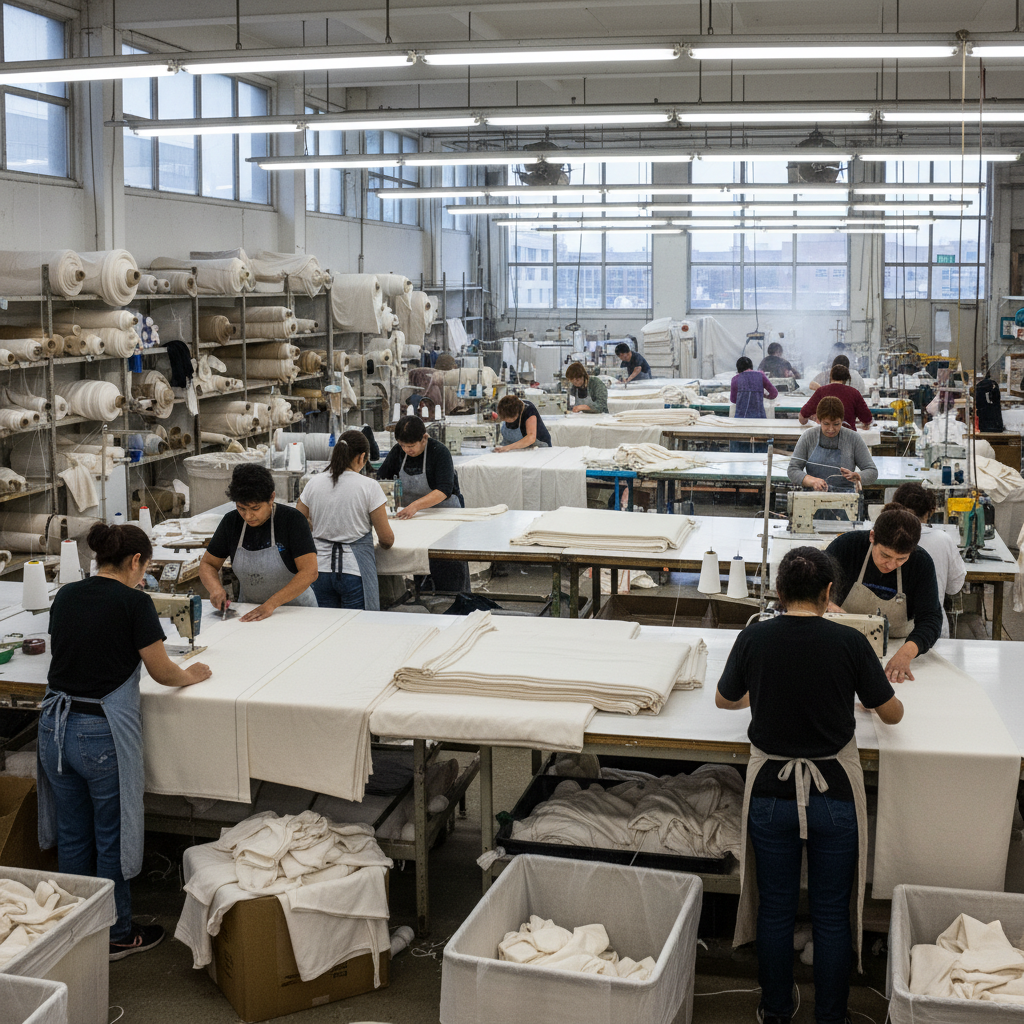
Ontario’s fashion and apparel industry has expanded tremendously in recent years, particularly in Toronto, Mississauga, and Ottawa. From new streetwear companies to mass uniform production facilities, the industry depends on low-cost and consistent access to international materials.
But as cotton prices rise and trade advantages come under consideration, little brands feel the sting.
“Margins are already thin,” said an independent Toronto-based fashion label owner. “Now we’re being told our basic cotton tees might cost 15% more to produce by fall. That’s a big hit.”
Some brands are trying to shift to alternative materials such as recycled fabrics, hemp, or synthetic blends, but cotton remains irreplaceable for many product lines due to its comfort, breathability, and sustainability appeal.
Retailers Brace for Higher Prices
Retailers are paying attention to these events as well. Chains with more size and resources are better positioned to absorb temporary price bumps or reopen contracts. But local boutiques and independent stores might have to shift higher costs on to consumers.
This is happening at a time when Ontario consumers are already enduring inflation in many areas, and price awareness is keen.
“If prices at stores rise too high, customers may fall off,” stated a Hamilton retail consultant. “That would be difficult for the stores and the suppliers.”
Calls for Supply Chain Resilience
To address the uncertainty, some Ontario industry players are urging increased support for building local supply chain resilience. This involves investing in native fabric innovation, such as the development of alternative fiber crops that will be processed locally, and forging closer relationships with a diversified band of trade partners.
Textile industry organizations are also calling on federal and provincial governments to keep close tabs on GSP+ negotiations and pursue Canadian interests at the international trade table.
Meanwhile, sustainability organizations are calling on brands to remake sourcing strategies—encouraging ethical and diversified supply chains that will be less susceptible to global shocks.
What’s Next for Ontario?
While the cotton crisis is still developing, Ontario’s fashion and textile industry is plainly on notice. Brands, factories, and retailers are revising orders, checking supplier agreements, and budgeting carefully for the latter half of 2025.
One thing is for sure: the discussion of cotton and trade policy is no longer solely the province of farmers and politicians—it’s now officially part of the fabric of Ontario’s fashion scene.
Conclusion
Ontario’s textile and fashion industry might not be at the forefront of cotton cultivation, but it’s very much in the path of consequence. With the decline of cotton production across the globe and GSP+ schemes under question, the province’s manufacturers, retailers, and designers need to prepare for a changed world. With intelligent forethought, creativity, and an emphasis on sustainability, Ontario can convert this challenge into an opportunity for industry strength in the long term.