- calendar_today August 13, 2025
Ontario’s commercial real estate (CRE) sector is in the midst of a pivotal transition in 2025. While the scars of post-pandemic disruptions linger—especially in the office segment—the province’s strong population inflows, infrastructure spending, and investor confidence are reshaping its urban and suburban commercial landscape.
From Toronto’s evolving downtown core to industrial hubs like Brampton and Hamilton, the province is seeing a shift from survival to strategic reinvestment across key CRE asset classes.
A Stable Economic Backdrop Fuels CRE Confidence
Ontario’s economy remains the engine of Canada’s GDP, accounting for nearly 40% of national output. As of mid-2025, inflation has stabilized below 2.3%, and the Bank of Canada’s decision to hold interest rates at 4.25% is allowing capital markets to regain balance. Population growth—driven by immigration and interprovincial migration—continues to drive real estate demand, particularly in Greater Toronto and the Golden Horseshoe.
Employment is strong in tech, life sciences, finance, and logistics—all sectors with direct ties to commercial space utilization. Developers and investors are leaning back in, focusing not on speculative builds, but on high-yield, ESG-compliant, and tenant-ready properties.
Office Market: Polarized Performance Across Ontario
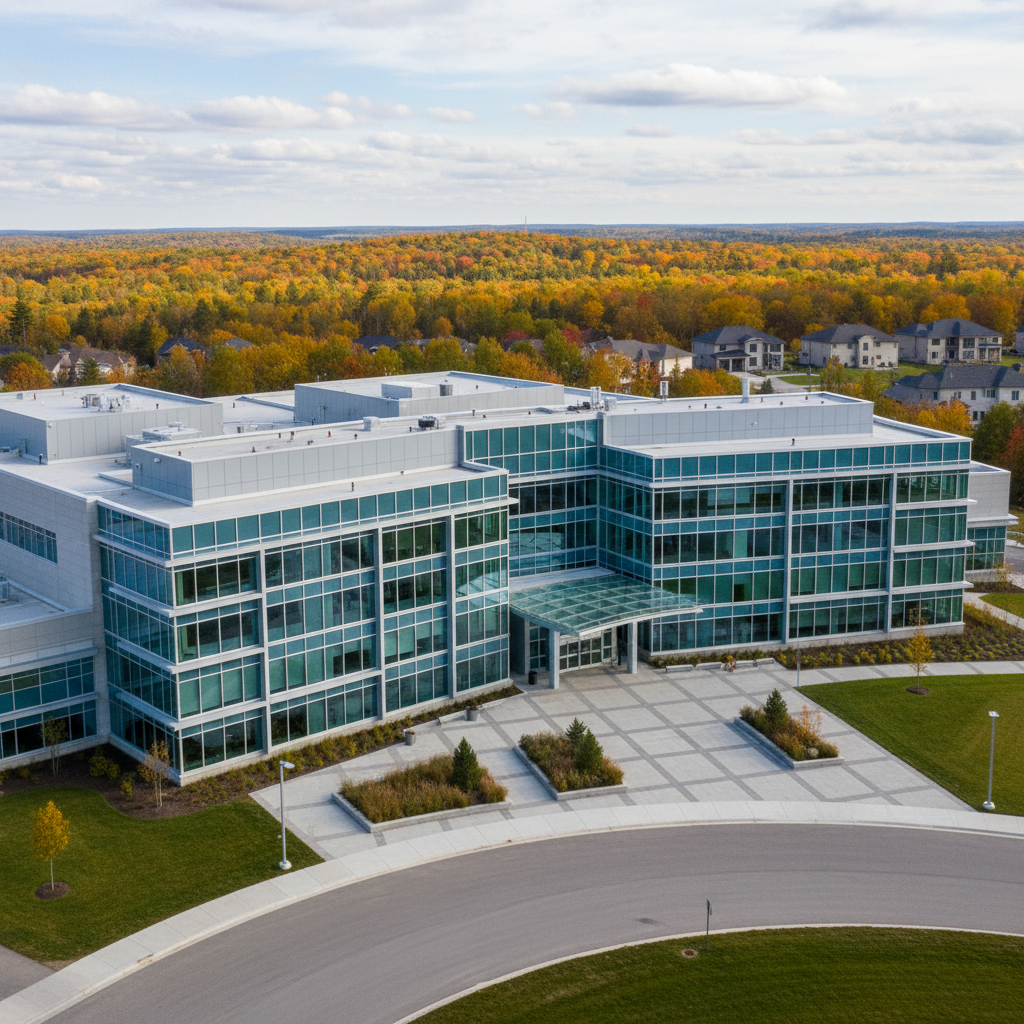
The Ontario office market remains a mixed bag in 2025. Vacancy rates in downtown Toronto hover around 16%, a slight improvement from 2024, as employers adjust to hybrid work models. Class A towers in the financial core remain in demand, particularly among law firms, financial institutions, and tech firms looking to consolidate operations into high-quality, energy-efficient spaces.
Conversely, older Class B and C offices in suburban areas like North York and Mississauga continue to struggle with occupancy. Several landlords are initiating retrofits or seeking zoning approvals for office-to-residential conversions—a trend that is gaining traction with municipal support, especially in Hamilton, London, and Ottawa.
Industrial Market: High Demand, Low Supply
Ontario’s industrial real estate sector continues to outperform, driven by last-mile logistics, advanced manufacturing, and cold storage demand. Vacancy rates remain at historically low levels—just under 2% in the GTA—with lease rates rising steadily year-over-year.
Hotspots like Milton, Brampton, and Vaughan are attracting institutional capital, with speculative developments nearing full pre-leasing. Industrial land near major transportation corridors, including Highway 401 and the Pearson logistics belt, is commanding premium prices.
The rise in electric vehicle (EV) manufacturing—spurred by multi-billion-dollar investments from Stellantis, Volkswagen, and the federal/provincial governments—is also triggering demand for industrial facilities in Windsor, St. Thomas, and London.
Retail Real Estate Finds a Hybrid Path Forward
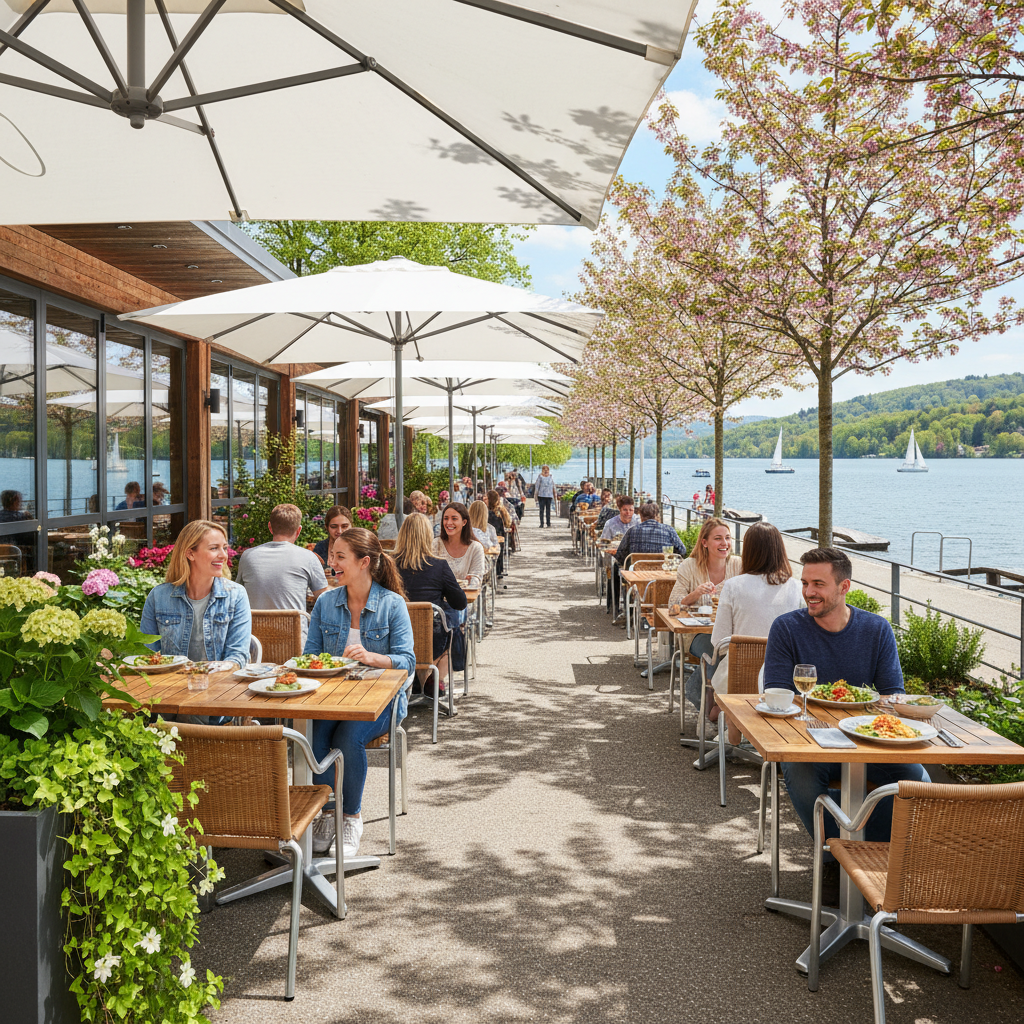
Retail in Ontario is not simply recovering—it’s evolving. While big-box anchors and legacy malls remain under pressure, neighborhood plazas, mixed-use high-street developments, and grocery-anchored centres are performing well. In urban cores, brands are prioritizing smaller, more flexible spaces that support in-store pickup and experiential retail.
Areas like downtown Toronto, Oakville, and Ottawa’s ByWard Market are seeing strong tenant interest from service-based businesses—fitness, clinics, restaurants—that are less vulnerable to e-commerce. Retail developers are also increasingly integrating residential components into commercial nodes to build foot traffic and diversify revenue.
Multifamily and Mixed-Use Projects Dominate Urban Planning
The interplay between housing and commercial zoning is one of the most significant trends in Ontario’s 2025 CRE outlook. Municipalities are revising zoning bylaws to encourage more high-density, mixed-use development. This includes converting underutilized office or commercial parcels into hybrid spaces with ground-floor retail and upper-story residential units.
In Toronto, projects along major transit corridors—especially near the Ontario Line and Eglinton Crosstown LRT—are drawing intense interest. The City of Toronto’s push for transit-oriented communities (TOCs) is creating new demand for retail, office, and community service spaces within these hubs.
Sustainability and ESG Influence Leasing and Development
Environmental, Social, and Governance (ESG) standards are no longer a value-add—they’re essential. Tenants in Ontario increasingly prioritize green-certified buildings, low-carbon operations, and wellness-focused amenities.
Landlords with LEED Platinum or WELL-certified buildings are achieving higher retention rates and lease premiums, particularly in the office and industrial sectors. The provincial government’s Green Building Initiative, along with federal carbon reduction mandates, is encouraging retrofits, electrification, and the use of renewable materials across CRE projects.
Investment Activity Rebounds, Focuses on Core Assets
Ontario’s CRE investment volume is expected to reach over CAD 22 billion in 2025, up 8% from 2024, according to JLL Canada. The appetite is strongest for income-generating assets in the industrial and multifamily sectors. Institutional investors, private equity funds, and REITs are increasingly focused on:
- Industrial parks in Brampton and Mississauga
- Transit-adjacent mixed-use developments in Toronto
- Medical office buildings and life science campuses in Ottawa and Kitchener-Waterloo
Cross-border capital is also returning, with U.S. and European firms targeting Class A downtown office portfolios and ESG-compliant logistics centers.
Secondary Markets Gain Attention
As prices rise in core metro areas, investors and developers are eyeing Ontario’s secondary and tertiary cities for growth. Cities like Kingston, Guelph, Barrie, and Peterborough are drawing attention for their educated workforces, improving transit links, and lower entry costs.
These regions are increasingly attractive for data centers, fulfillment centers, and even boutique hospitality developments, particularly as remote work and flexible employment patterns extend beyond the GTA.
Risks and Roadblocks
Despite broad momentum, challenges persist. Construction costs remain elevated due to material inflation and labor shortages. Interest rates, while stable, are still pressuring deal underwriting. Permitting delays and zoning bottlenecks in municipalities like Toronto and Mississauga continue to frustrate developers.
There’s also growing concern over the pace of office space obsolescence. Without coordinated policies for retrofitting or rezoning, some Class B and C buildings risk becoming stranded assets in Ontario’s major cities.
Outlook: Ontario CRE Enters a Strategic Realignment Phase
Ontario’s commercial real estate market in 2025 is marked not by a dramatic rebound, but by a deliberate realignment. Smart capital is flowing toward resilient, ESG-ready assets, while developers are pivoting toward mixed-use formats and higher-density urban footprints.
As the province prepares for another decade of growth, the focus is shifting from expansion to reinvention. Investors, planners, and municipalities that embrace flexibility, green design, and integration will define the next wave of Ontario’s commercial real estate success.