- calendar_today July 30, 2026
The Ontario government has taken a decisive step in its ongoing GO Transit expansion project, unveiling major infrastructural improvements at Bloor GO/UP Station. These upgrades mark a critical advancement for commuters in the Greater Toronto Area and underscore Ontario’s commitment to expanding public transit across the region.
Enhancing the Kitchener Line for Passengers
Central to the upgrades is the transformation of the Kitchener Line, a vital corridor connecting Western Ontario to Toronto’s downtown. The installation of 2.5 kilometres of new rail track upgrades has expanded the corridor to four tracks between Dupont Street and Lansdowne Avenue. This critical addition is poised to substantially increase transit capacity, paving the way for more frequent and reliable service for residents and commuters alike.
Bloor GO Station Improvements: Safety and Connectivity
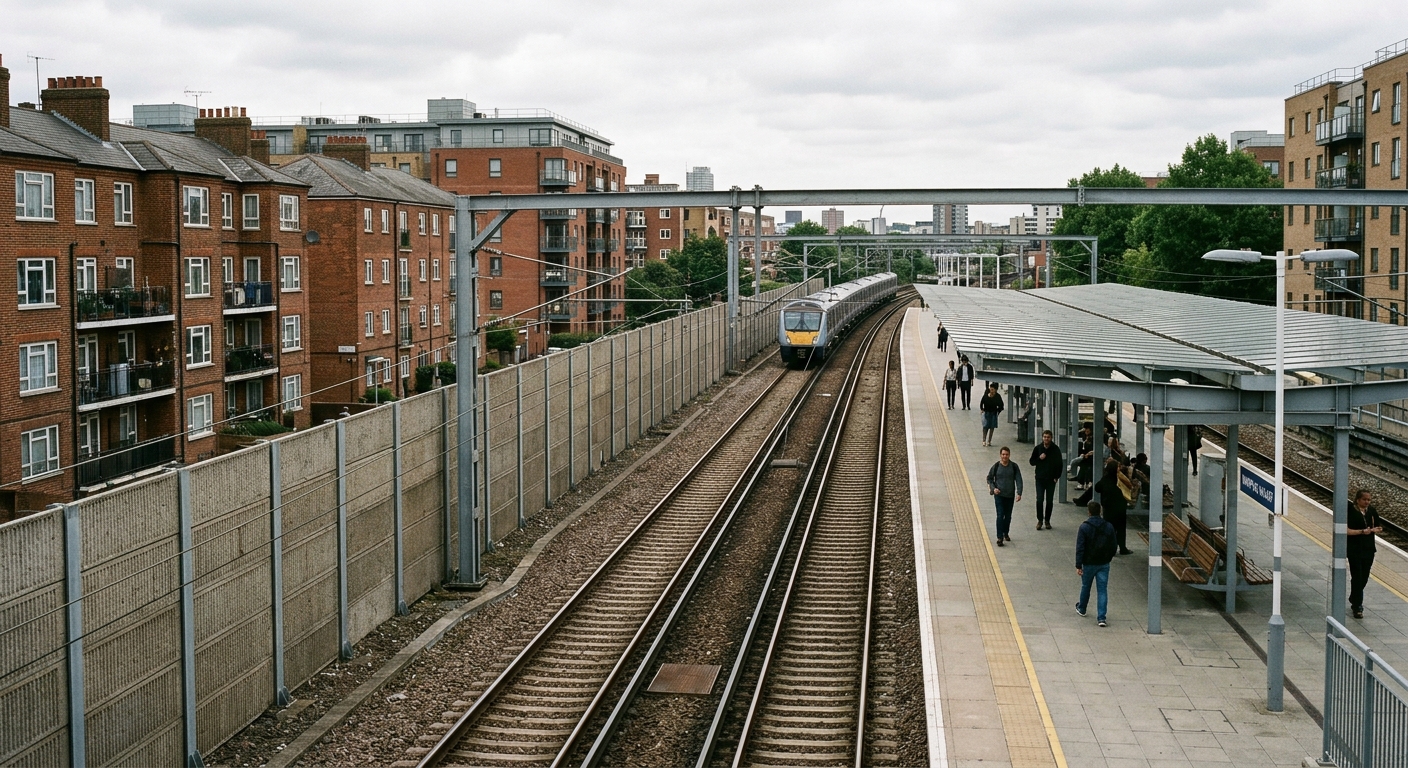
Bloor GO Station has received an extensive suite of enhancements. The introduction of a new pedestrian tunnel and a covered pavilion now seamlessly connects the station to Randolph Avenue, enabling safer and more efficient movement for transit users. The station area also features a newly created park on Ernest Avenue, designed to provide green space for the community while supporting improved station access. Critical public transit safety features—including a new noise barrier and retaining wall—have been added, further underscoring the Ontario government’s priority on commuter welfare.
Investing in Regional Transit Infrastructure
These improvements are components of a bold and far-reaching vision for transit infrastructure in Ontario. At $70 billion, the investment stands as the largest of its kind in North America, reflecting the province’s ongoing endeavor to tackle gridlock and foster regional growth. The collective upgrades not only modernize the station but also support increased service on the Kitchener Line and contribute to broader GO Expansion Program objectives.
Reducing Travel Time and Boosting Connectivity
An immediate benefit for passengers is a notable travel time reduction. The enhancements are expected to shorten the trip from Kitchener to Union Station from 111 minutes to 98 minutes. This time savings will appeal to daily commuters and is likely to draw new riders, further reinforcing the region’s economic competitiveness and access to employment.
Broader GO Expansion Program and Federal Support
The recent upgrades build on other expansions, such as the extension of GO train service to Stratford and the acquisition of land for additional rail projects. Under the umbrella of the GO Expansion Program, these initiatives aim to deliver faster, more frequent train service for Ontario communities. The program is also supported by a $1.9 billion federal investment, reflecting a strong partnership to advance transit infrastructure solutions for the Greater Toronto Area and beyond.
Impacts for Residents and Communities
For local communities, these improvements mean more than just upgraded transit. The integration of new pedestrian spaces and public parks into station design supports local livability and accessibility, while the increased transit capacity facilitates better access to jobs and affordable housing options across the GTA. The Ontario government’s continued investment highlights its dedication to creating sustainable transportation alternatives for residents and businesses.
Looking Ahead: Ontario’s Transit Future
As the GO Transit expansion progresses, Ontario remains focused on building a transit system equipped to meet the needs of a growing population. By investing in projects like those seen at Bloor GO Station, the province is laying the foundation for a modernized, efficient, and resilient public transit network. These developments reinforce Ontario’s status as a Canadian leader in transit innovation, promising enduring benefits for the region’s commuters and communities.