
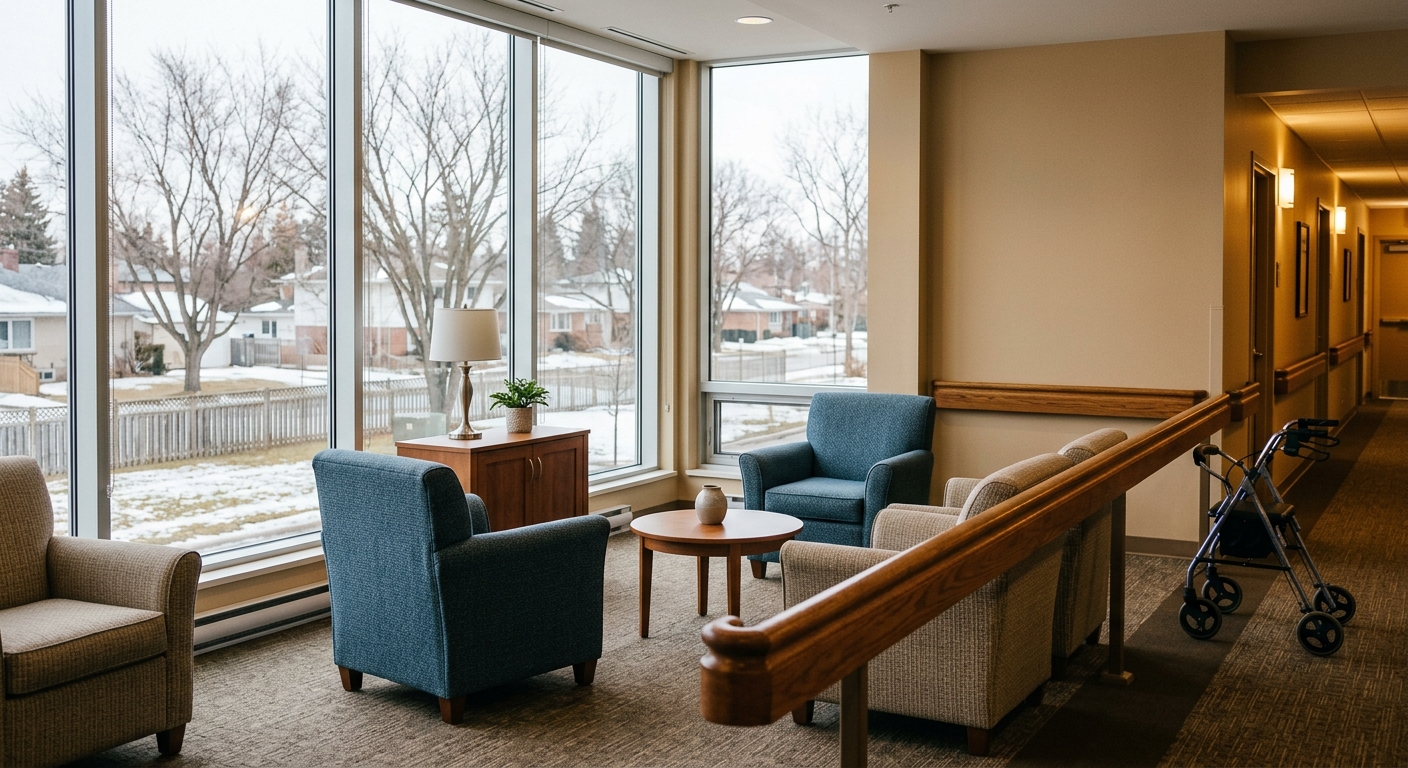
AI-generated illustration; not a photograph of the reported event.
- calendar_today October 9, 2026
New Investments in Dementia Care for Long-Term Care Residents
The Ontario government has announced an investment of nearly $13 million to expand access to dementia care across the province's long-term care system. This funding will bring specialized supports to 1,300 additional residents and add up to 153 specialized care beds, aiming to enhance the quality of life and care for residents living with dementia.
Expanding the Improving Dementia Care Program
Ontario's funding includes $3 million dedicated to enlarging the Improving Dementia Care Program (IDCP) to 13 more long-term care homes. With this expansion, the program will support a total of 30 homes, up from the pilot launched in September 2025, with plans to reach 50 homes by 2027-28. The IDCP focuses on emotion-based care models, aiming to boost resident wellbeing by prioritizing individual needs and encouraging meaningful relationships between staff, residents, and families.
Focus on Emotion-Based Models of Care
Through the IDCP, long term care homes will adopt emotion-based approaches that improve residents’ quality of life. Minister of Long-Term Care Natalia Kusendova-Bashta stated, "Through emotion-based models of care, we can improve the quality of life for those residents, their caregivers and families, while creating a better work experience for staff." The approach emphasizes personal connections, respectful engagement, and individualized support—key components to effective dementia care.
Behavioral Support Units and Specialized Care Beds
In addition to IDCP expansion, Ontario is allocating $9.82 million annually in 2026-27 to support up to 153 behavioral support unit (BSU) beds in five long-term care homes. These specialized care beds provide residents with access to BSUs, where specially trained staff design and deliver therapies tailored to each individual’s physical, emotional, and cultural needs. BSUs allow residents to receive the advanced care they require in the comfort of a long term care home, reducing the need for hospital stays and optimizing hospital bed availability.
Investment in Staff Training and Infrastructure
Staff training is a crucial component of the new investments. For example, Villa St. Gabriel Villa of Sudbury will receive $247,545 for staff training, implementation support, and sensory-scape equipment. These resources are intended to create safer, more supportive environments and ensure staff are equipped to deliver high-quality dementia supports in long term care settings.
Ontario’s Comprehensive Plan for Long-Term Care
The expansion of dementia care fits within a broader provincial plan targeting improvements in staffing, quality of care, standards enforcement, facility modernization, and quicker access to services for seniors. As part of ongoing efforts, more than 60% of Ontario’s long term care residents already have a dementia diagnosis. Additionally, the province is building 58,000 new and upgraded long-term care beds and offering incentives to personal support workers to grow the workforce within long term care homes.
Selection of Participating Homes and Future Outlook
Expansion decisions for the IDCP were guided by criteria including demonstrated need, readiness, and operational capacity, selected from a large volume of applications received in the first year. With these targeted investments, Ontario continues its commitment to enhancing care quality and resident wellbeing in long-term care homes.
Accessing Further Information
For more details on Ontario’s dementia care initiatives, government services, and health programs, visit the respective sections on the Ontario government website.
Source: news.ontario.ca.


