- calendar_today August 30, 2026
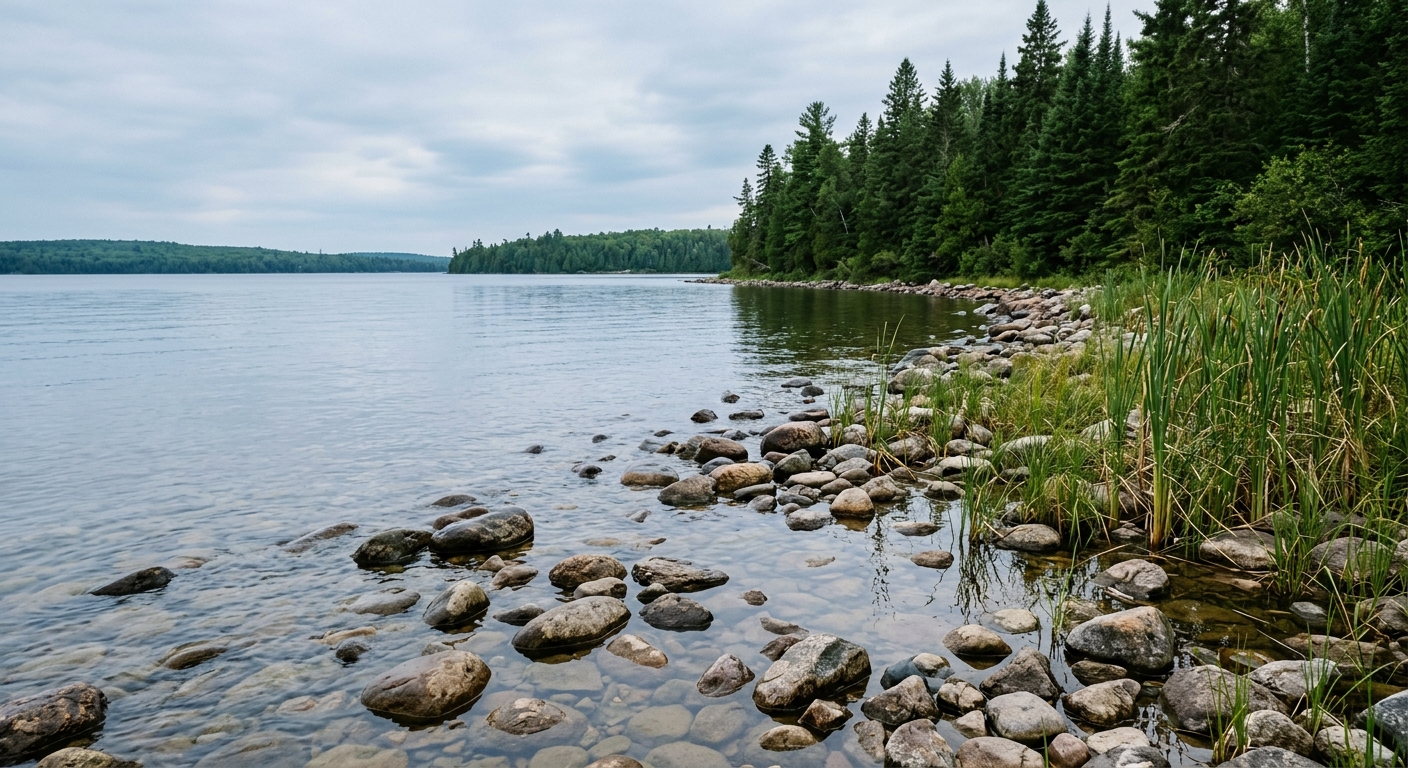
Ontario has reached a pivotal environmental milestone as the governments of Ontario and Canada formally announced the completion of the nipigon bay restoration, marking the bay’s removal from the list of the most polluted locations in the Great Lakes. This landmark achievement highlights decades of great lakes cleanup and underlines the tangible progress made in improving water quality in Northern Ontario.
Historical Challenges Lead to Designation
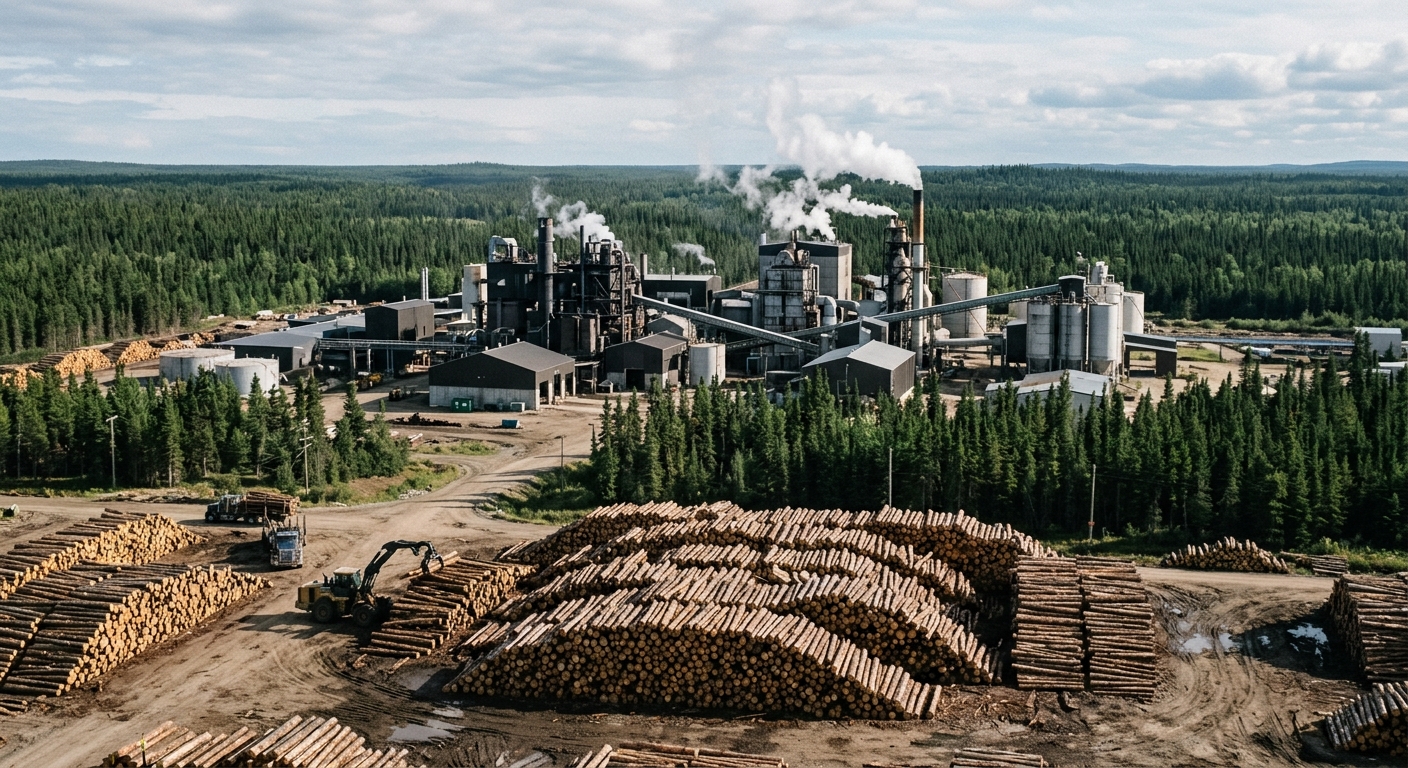
Nipigon Bay, set along the shores of Lake Superior, was officially classified as an area of concern in 1987. Decades ago, hydroelectric developments, industrial discharges, and municipal wastewater all contributed to significant environmental degradation, prompting the need for urgent action. Local communities in Ontario witnessed firsthand the impact of reduced fish habitat, loss of wetland areas, and declining aquatic biodiversity, concerns that put the spotlight on this vital area of the lake superior environment.
Comprehensive Cleanup Initiatives
Restoration work in Nipigon Bay was made possible by a broad partnership that included both levels of government, Indigenous partners, environmental organizations, and dedicated community stakeholders. Investments were channeled toward water quality improvement and fish habitat restoration, with the Ontario government contributing more than $17 million since 2018, and Canada committing over $12 million. Combined stakeholder and partner commitments totalled $68 million over the multi-decade project.
Key Achievements: Water, Fish, and Habitats Revitalized
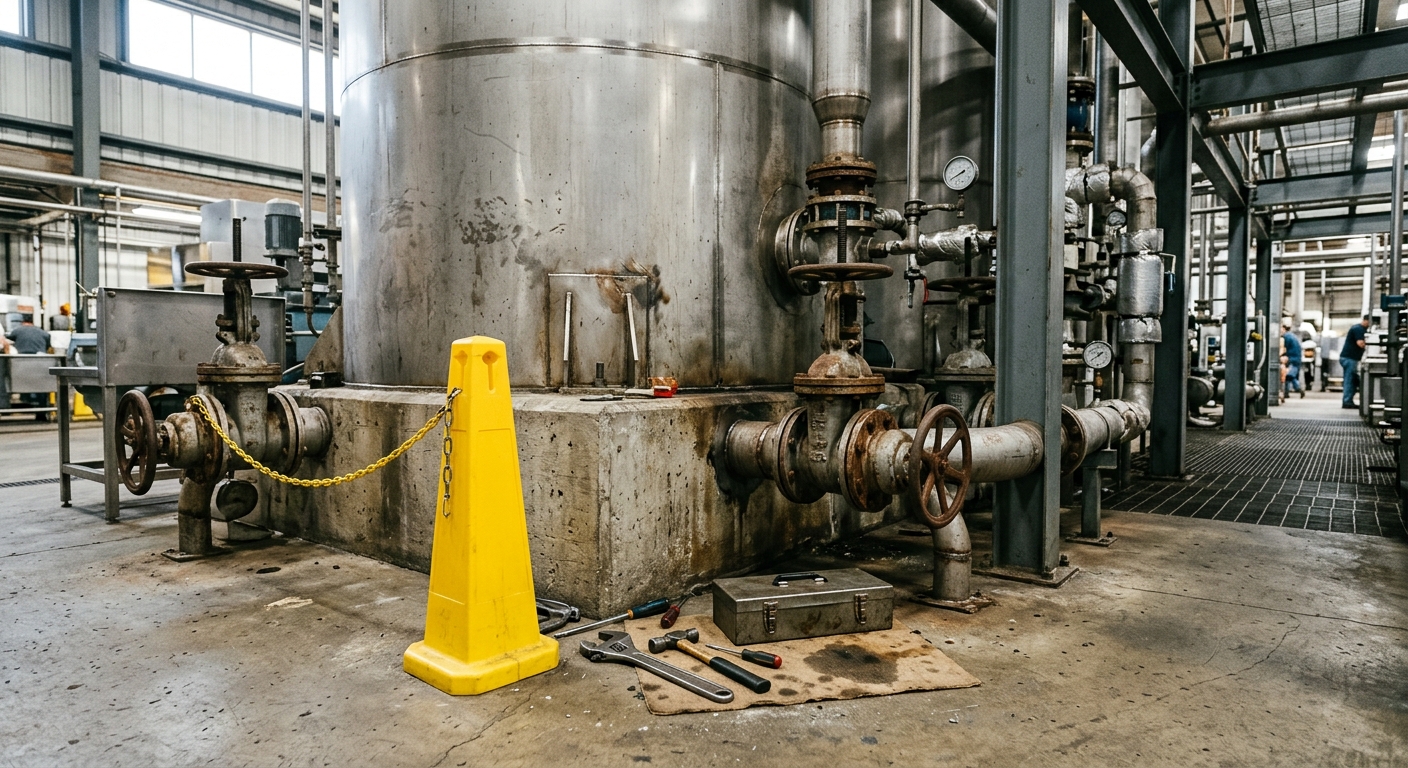
Among the most impactful measures were major wastewater treatment upgrades. By modernizing treatment plants and strengthening industry standards, local authorities curtailed the release of pollutants. The region also prioritized the restoration of aquatic habitats, with an emphasis on wetlands and spawning grounds. These targeted environmental restoration efforts resulted in robust ecosystem health, improved water clarity, and a resurgence in fish populations, directly benefiting community members as well as recreational and cultural interests linked to Nipigon Bay.
The Power of Collaboration Across Ontario
At the heart of the bay’s revitalization was the robust spirit of indigenous partnerships and the steady guidance of provincial federal efforts. Ontario worked closely with federal agencies, First Nations, and regional groups, ensuring that science-driven strategies addressed both ecological and socio-economic outcomes. These collaborations played a key role in restoring the area’s environmental balance, setting an example for other areas of concern throughout the Great Lakes basin.
Ongoing Commitment to the Great Lakes
The removal of Nipigon Bay from the critical watchlist stands as a testament to what coordinated, well-funded action can achieve. With nipigon bay restoration now realized, communities across Ontario are reminded of the importance of sustained vigilance in environmental stewardship. The province continues to invest in the protection of the Great Lakes, focusing on the resilience of ecosystems and the wellbeing of current and future generations.
Broader Impact and Future Outlook
While Nipigon Bay’s recovery is cause for celebration, the lessons drawn from this collaboration serve the ongoing stewardship of Ontario’s lakes and rivers. The successful partnership model—from funding to indigenous participation—offers a roadmap for great lakes cleanup efforts elsewhere. As habitat restoration continues to drive water quality improvement and support ecosystem health, regional stakeholders remain dedicated to safeguarding Ontario’s natural heritage.