- calendar_today August 26, 2025
Android 16 is now being released to the public following extensive beta testing and months of anticipation. Pixel phone owners have access to the new update with general availability expected in subsequent weeks while non-Pixel users may need several months to receive it. The OTA update notification for Pixel devices will begin appearing soon while users who want instant access can download system images and update files from Google’s developer pages.
This year’s Android update does not feature a comprehensive set of eye-catching enhancements. The update delivers small improvements while making system adjustments and offering some user-level upgrades. Users should expect major updates to Android later in 2025.
Cleaner Notifications and Smarter Alerts
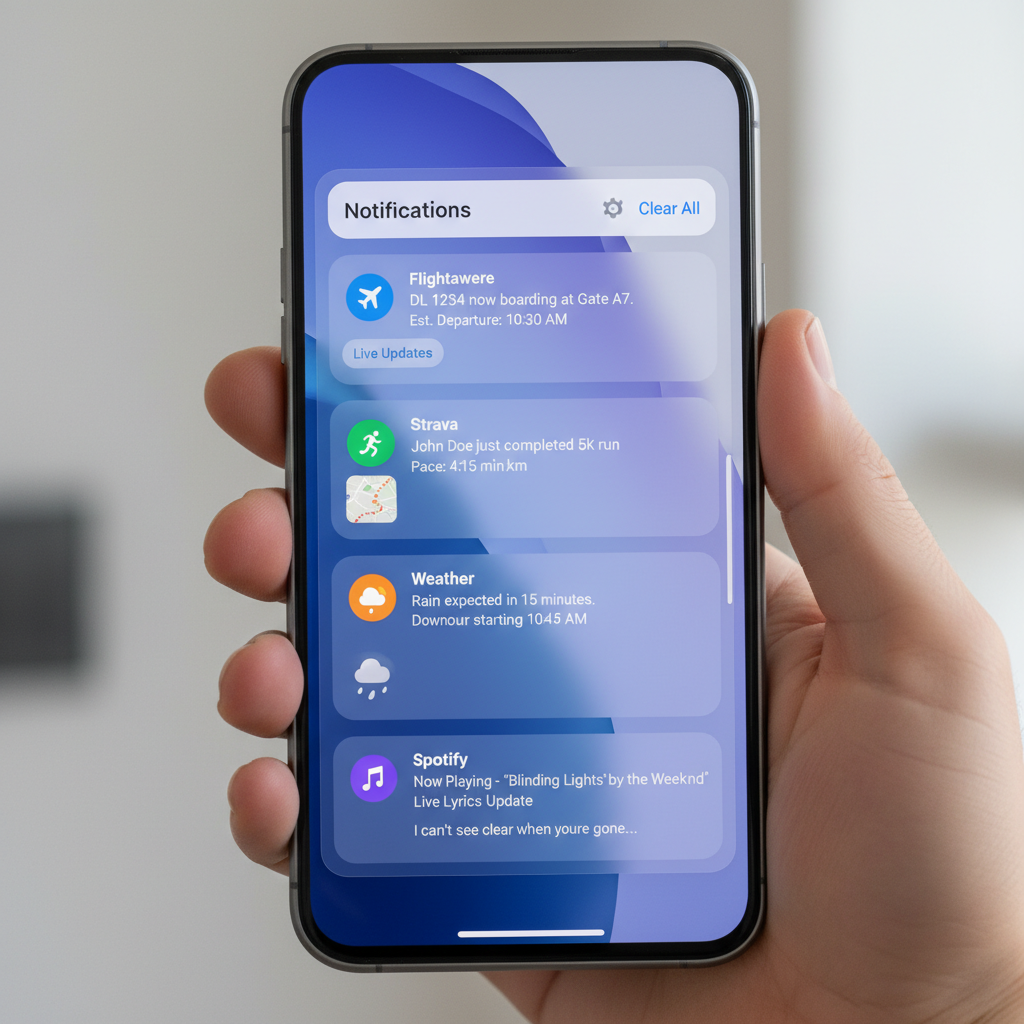
A major improvement in Android 16 involves how the system manages notifications. Google has transformed its bundled notifications feature from Android 7.0 Nougat into a mandatory requirement. Applications need to organize multiple notifications into one expandable entry to deliver a cleaner user experience when navigating through a busy notification shade.
Live update notifications are also new. Real-time progress updates from select apps such as rideshare and food delivery services are displayed through these live update notifications. The status bar displays a small icon which reveals a pop-up card with a live progress bar when tapped. Google is working together with both Samsung and OnePlus to bring this feature into their proprietary interfaces through Samsung’s Now Bar and OnePlus’s Live Alerts.
Device security receives a boost in Android 16 through a system-wide implementation of Advanced Protection. This feature moved beyond user account limitations to operate throughout the whole device. The feature blocks unsafe websites and 2G network connections while disabling USB access from unknown devices. It’s a step forward for privacy-conscious users.
The Pixel Studio app introduces a playful new feature called Emoji Kitchen for Pixel users. The feature enables users to generate distinctive emoji combinations through generative AI. This tool serves to enhance personal expression within Android instead of functioning as a productivity feature.
Developers need to make certain adjustments because of the updates. Applications targeting Android 16 (API level 36) are now enhanced to run more efficiently on large display devices. Google seeks to simplify responsive layout creation for foldables and tablets which it actively promotes. Expanded camera features now include motion photo capture along with hybrid auto-exposure and night mode support. Applications which permit HDR functionality now support HDR screenshots.
Google maintains system performance and efficiency as its highest priority. The Android 16 update introduces stricter limitations on background applications. The update should deliver improved battery life and faster performance but outdated apps might experience problems.
The new Pixel Drop program launches alongside Android 16 to deliver exclusive features for Pixel devices. The most significant feature among Pixel Drop updates is Pixel VIPs which extends the functionality of prioritizing important contacts. The newly introduced widget for VIPs displays personalized information such as recent WhatsApp and Messages interactions alongside shared location details and birthdays when permitted. These contacts receive permission to override Do Not Disturb mode settings.
The Pixel Drop update brings improved hearing aid support alongside live search functionality for the Magnifier and wider access to Expressive Captions across UK, Australia, and Canada. These Pixel features work independently from full system updates.
The development of Android 16’s most anticipated features continues into the future. Pixel phones will receive Material 3’s new Expressive design language sometime later this year. App developers have received direction to start modifying their applications to align with the more vibrant and expressive design standards.
The desktop mode feature which has been widely discussed in Android forums is now becoming part of the larger Android ecosystem. Google and Samsung are collaborating to enhance the DeX windowing functionality. Tablets will operate similarly to laptops with external displays providing floating windows functionality and enhanced multitasking. Foldables such as the Pixel 9 Pro Fold lack this feature on their own hardware but can create a desktop-style interface on an external display. The implementation of this feature will rely on the decisions taken by OEMs. Google phones will offer full support for this feature while other OEMs might decide to restrict it to ordinary screen mirroring.
The release of this new Android version represents a change in Google’s approach to software release schedules. Android operating system updates have always been released during autumn in conjunction with the debut of new Pixel devices. Android 16 marks the beginning of major updates in late spring with subsequent smaller feature releases towards the end of the year.
While Android 16 might seem minor at first glance, it establishes a foundation for significant advancements during the rest of 2025. The upcoming months will deliver multiple new features to Android which makes it a platform deserving attentive observation.