
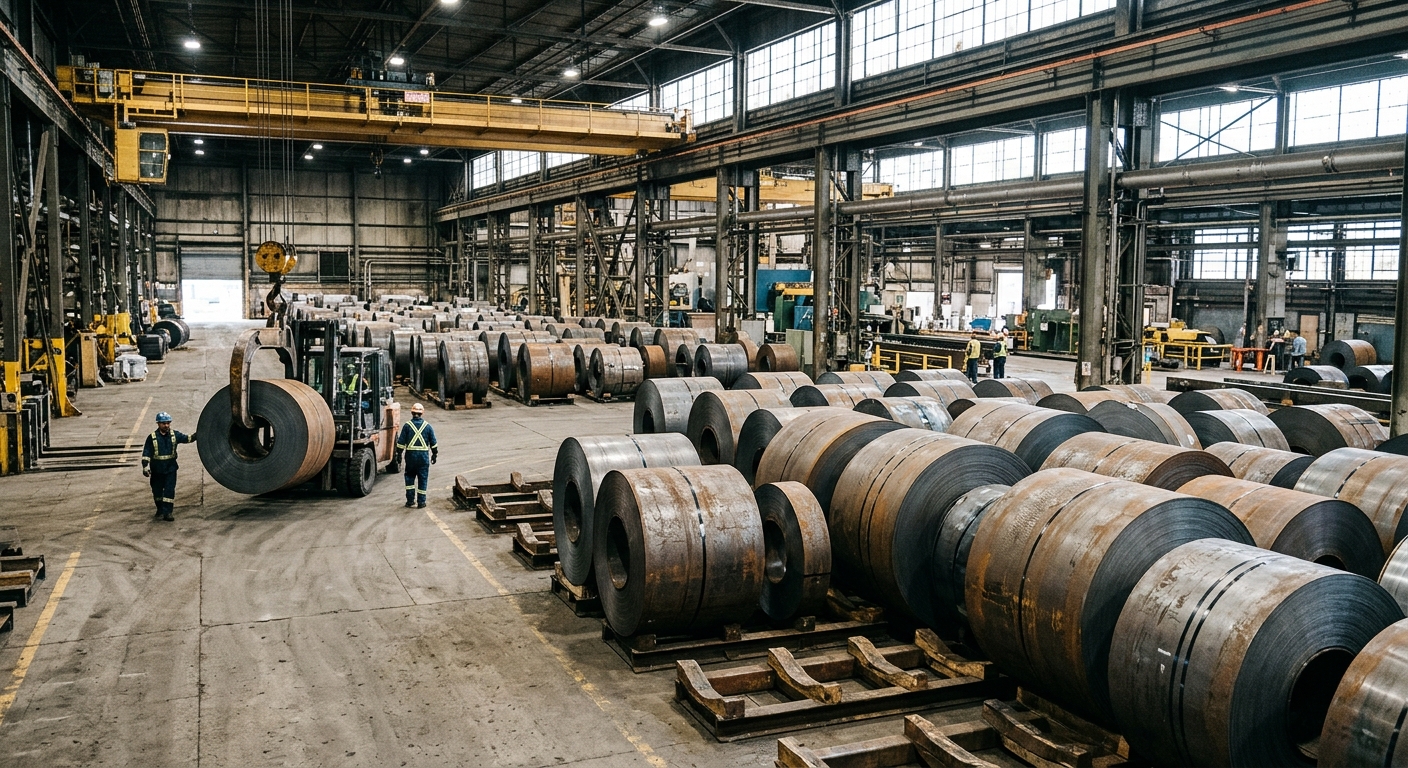
AI-generated illustration; not a photograph of the reported event.
- calendar_today October 22, 2026
Introduction: Major Investment in Ontario’s Strategic Industries
The Government of Ontario and the Government of Canada have introduced a comprehensive action plan, committing $8.7 billion to strengthen Ontario's steel, automotive, and critical mineral sectors. The measures aim to support workers and businesses affected by U.S. tariffs while driving long-term economic growth and industrial competitiveness.
Steel Industry Support and Protection Measures
Key components of the plan include the establishment of the Joint Steel Action Fund, backed by five-year funding commitments of $3.55 billion from the federal government and $1.67 billion from Ontario. This fund is designed to enable strategic investments, help the Canadian steel industry diversify production, and capture new markets abroad. It also seeks to ensure Canadian supply chains have essential steel for growth and large-scale projects.
The governments will further bolster domestic demand for steel through the Buy Canadian Policy and Buy Ontario Policy. These initiatives prioritize the use of Canadian steel in public procurement, federal infrastructure, defence, advanced manufacturing, and energy projects.
Enhanced trade protection measures are also being implemented. The Canada Border Services Agency will step up monitoring and enforcement to guard the steel sector against unfair trade practices, supported by a robust trade remedy system for Canadian producers. In addition, the new Canada–Ontario Steel Task Force will provide guidance on rolling out these steel sector measures, including actions aimed at reducing transportation costs and improving competitiveness.
Automotive Industry Investments and Emissions Standards
The federal and provincial governments are investing an additional $2.5 billion over two years—up to $1.5 billion from the federal side and up to $1 billion from Ontario—to enhance large-scale automotive capital projects. This comes in support of the automotive industry investment initiative, aiding companies in adapting to a changing economy, promoting competitiveness, and helping sustain valuable jobs along the auto supply chain. The focus is on strengthening the foundation for manufacturing connected and electrified vehicles in the future.
This effort builds on prior supports announced in February 2026 through Canada’s new auto strategy, including $3 billion from the Strategic Response Fund and $100 million from the Regional Tariff Response Initiative. Emissions standards will be maintained at 2026 levels—172 grams per mile—for light-duty vehicles through 2029, offering manufacturers flexibility as the industry faces trade pressures and works towards the 2035 target for 75% of car sales to be EVs.
Oversight and guidance for these measures will be provided by the Canada–Ontario Automotive Task Force, a joint federal-provincial initiative focused on ensuring the sector's ongoing competitiveness.
Advancing Critical Mineral Development and Ring of Fire Infrastructure
To expand Ontario’s critical mineral supply chain, the Government of Canada is allocating up to $1 billion over three years to advance road infrastructure in Northern Ontario’s Ring of Fire region. This will support growth in the clean technology and electric vehicle sectors by ensuring a reliable domestic supply of critical minerals, spurring investment, and supporting new jobs.
Ontario and the federal government will implement a coordinated approach to provincial and federal permitting, enhancing project efficiency and cutting duplication. They will also identify priority projects eligible for support through mechanisms such as the Canada Critical Minerals Accelerator, the First and Last Mile Fund, investment tax credits, and cost-sharing initiatives.
A joint federal-provincial working group will be set up for Indigenous consultation and engagement, prioritizing meaningful collaboration with First Nations to identify economic and community development opportunities. This group will also evaluate options for conservation and/or Indigenous protected areas as development advances in the Ring of Fire.
Oversight Through Federal-Provincial Task Forces
Emphasizing cross-government collaboration, several federal provincial task forces will play central roles in ensuring these initiatives are implemented effectively. The Canada–Ontario Steel Task Force and the Canada–Ontario Automotive Task Force will oversee measures in their respective sectors, while dedicated working groups will facilitate Indigenous engagement in critical mineral development.
Conclusion: Economic Growth and Job Security
This broad Ontario economic plan aims to protect domestic industries from external shocks like U.S. tariffs, empower workers, and ensure the province remains a leader in advanced manufacturing, clean technology, and resource development. By investing in steel industry support, automotive competitiveness, and critical mineral supply chains, Ontario and Canada are taking steps towards economic security and long-term prosperity.
Source: news.ontario.ca.


